ICU Nurse Jobs in Ireland
Skilled care for the sickest patients.
Critical care nurses are in high demand in Irish hospitals. If you have ICU experience, or want to specialise, this guide explains the roles, skills, training and career path for ICU nurses in Ireland.
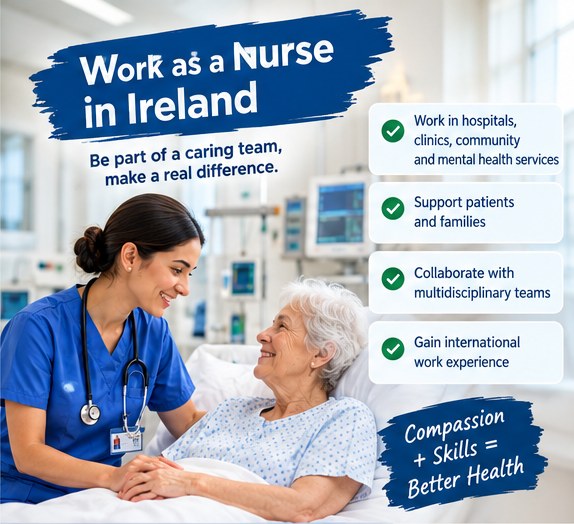
Demand for critical care nurses
Ireland has been expanding critical care capacity, adding intensive care and high dependency beds in hospitals across the country. Experienced ICU nurses are scarce, so hospitals actively recruit them, including from overseas. Your critical care experience is a major advantage when applying for jobs and can lead to faster progression.
Types of critical care units
- General intensive care units (ICU) in model 4 and model 3 hospitals
- High dependency units (HDU)
- Cardiothoracic ICU
- Neuro ICU
- Paediatric ICU (PICU) at the national children’s hospital services
- Neonatal ICU (NICU) in maternity hospitals
- Coronary care units (CCU)
What employers look for
- Experience caring for ventilated patients and managing airways
- Haemodynamic monitoring, arterial and central lines
- Vasoactive and sedation infusion management
- Renal replacement therapy, where available in your previous unit
- Advanced life support skills
- Calm communication with families in difficult situations
- Strong documentation and teamwork
Be specific in your CV: list unit type, bed numbers, patient groups, nurse-to-patient ratios and equipment you used.
Starting in ICU as an international nurse
Most international ICU nurses first complete NMBI registration, often through adaptation, sometimes on a general ward or directly in critical care, depending on the employer. Hospitals usually provide a structured critical care induction and competency programme even for experienced nurses, covering Irish protocols, equipment and documentation. Read our adaptation guide.
A typical ICU shift in Ireland
Most Irish ICUs aim for one nurse per ventilated patient, with higher ratios for less dependent patients. Your shift starts with a detailed bedside handover and safety checks of equipment, alarms and emergency drugs. Throughout the day, you carry out hourly observations, manage infusions, perform suctioning and line care, support ward rounds with consultants, and coordinate with physiotherapists, pharmacists and dietitians. Families are kept informed, and nurses play a key role in difficult conversations and end-of-life care. Clear documentation, often on electronic systems, records every intervention.
Where to find ICU jobs
Large teaching hospitals in Dublin, Cork, Galway and Limerick have the biggest critical care units and the most specialist roles. Regional hospitals also run ICUs and HDUs and may offer faster progression. Private hospitals recruit for high dependency and post-surgical critical care. Search hospital career pages for “clinical nurse ICU”, “critical care staff nurse” and “HDU nurse”, and read our city job guides for local hospitals.
Postgraduate training
Irish universities offer postgraduate diplomas and master’s degrees in intensive care or critical care nursing, usually part-time alongside work, with clinical competencies assessed in your unit. Many hospitals fund or part-fund these programmes and provide study leave. Completing a postgraduate qualification strengthens applications for senior roles.
Pay and allowances
ICU nurses are paid on the same HSE staff nurse scales as other nurses, plus premiums for nights, weekends and public holidays. Some specialist areas and recognised postgraduate qualifications attract an additional allowance under national agreements. Ask employers which allowances apply. See our nurse salary guide.
Career progression
- Senior staff nurse in critical care
- Clinical nurse manager in ICU
- Clinical nurse specialist in areas such as critical care outreach
- Advanced nurse practitioner in critical care
- Clinical facilitator or practice development roles
- Retrieval and transfer nursing
Wellbeing in ICU
Critical care is rewarding but demanding. Irish hospitals increasingly offer staff support, debriefs after difficult events and employee assistance programmes. Use them. Building good relationships with your team helps you cope with intense shifts.
Frequently asked questions
Are ICU nurses in demand in Ireland?
Yes. Hospitals are expanding critical care and actively recruit experienced ICU nurses.
Do ICU nurses earn more in Ireland?
Base pay follows HSE scales, but premiums and certain specialist allowances can increase earnings.
Can I go straight into ICU as an overseas nurse?
Some employers offer direct ICU roles to experienced critical care nurses after registration or adaptation.
Is a postgraduate diploma required for ICU?
Not always to start, but it is valuable and often needed for senior roles.
See all specialist paths
Explore careers beyond ICU.